Heavy Mirrored Wardrobe Doors: Engineering Prevention for Warping, Drag & Desilvering
The Kinematics of Reflection: Engineering the Antique Wardrobe Mirror
Designing an antique wardrobe mirror is not a decorative exercise; it is the management of parasitic mass. A mirror panel transforms a standard cabinet door into a high-load kinetic lever. Without precise calculation of torque and shear stress, the result is not elegance—it is inevitable mechanical failure.
Why do solid wood wardrobe doors warp when mirrored?
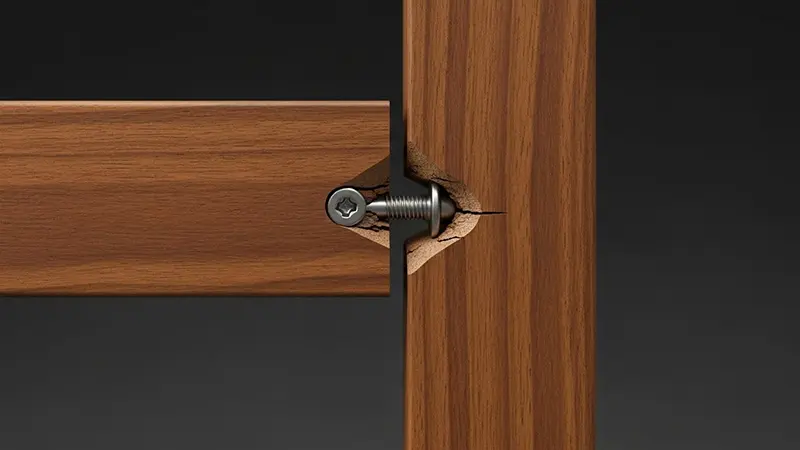
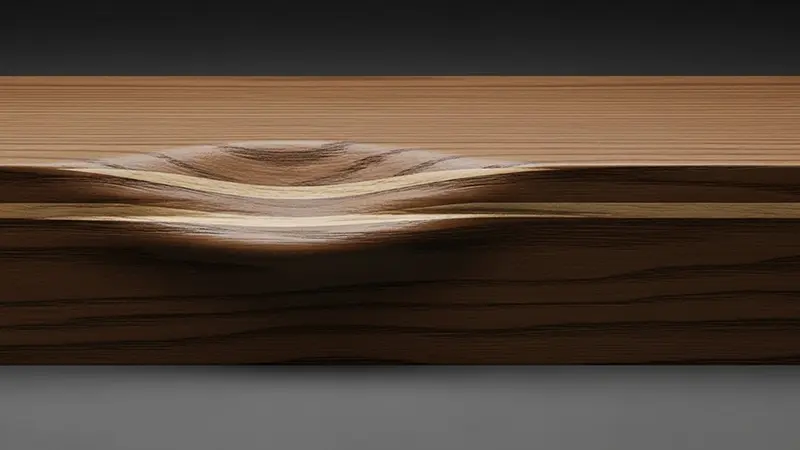
From an engineering perspective, a Mirrored Wardrobe Door fails because of Differential Hygroscopic Expansion. The glass is a rigid silicate that does not move, while the solid wood frame expands with humidity. If the glass is glued directly to the wood, this conflict creates shear stress.
In simple terms, the wood wants to move, the glass refuses, and the door pays the price.
The Industry Error: The "Glued" Façade
The most common failure in mirrored furniture is the assumption that glass can be treated like a wood panel. This is a critical sign of low-fidelity engineering. (See: How to Identify Structural Weak Points)
⚠️ Industry Standard (Risk)
Method: Direct Bonding (Silicone/Glue).
Outcome: The "Bi-Metallic Strip" Effect. As wood shrinks in winter, the glued glass forces the door to bow inward. Acidic glues eventually eat through the mirror backing (Desilvering).
✅ OE-FASHION Protocol
Method: Floating Casement System.
Outcome: The mirror sits in a rebated channel with rubber gaskets, mechanically isolated. The wood frame "breathes" around the static glass without transferring stress.
The Differential Expansion Problem
Joint Systems & Differential Expansion
Understand why rigid glass and breathing wood are natural enemies, and how we engineer the interface to survive hygroscopic cycling.
Read The Mechanism Analysis →Engineering Logic (20-50 Year Horizon)
1. The Cantilever Torque: A solid wood door with a 6mm mirror panel can weigh 30-50kg. Standard hinges are rated for vertical load, not the Rotational Torque generated when a wide door swings open. This is why owners often notice doors that slowly begin to drag, misalign, or require seasonal "adjustment" just to close properly. To prevent this, we employ strict Lifecycle Calibration protocols.
2. Visual Physics: Proportion is mathematical, not subjective. In our Neoclassical Storage Systems, we calculate the frame-to-glass ratio to ensure the mirror does not visually "dissolve" the structural authority of the wardrobe.
- Check the Back: If you see raw plywood or glue lines behind the mirror door, it is a structural risk.
- Check the Sound: Tap the mirror. A solid "thud" means glued (Bad). A slight "rattle" or hollow sound suggests a floating panel (Good).
- Liability: Mirror cracking caused by direct-gluing is a Predictable Failure Mode.
- Irreversibility: Once desilvering (black spots) begins due to glue acidity, no surface repair can restore optical clarity without full mirror replacement.