Architectural furniture detailing featuring surface finishes over carved solid hardwood substrate
Materials & Finishes for Bespoke Furniture

Bespoke Furniture
Materials & Finishes

Material selection for bespoke furniture begins with assessing material compatibility. OE-FASHION coordinates wood and substrate options, decorative gilding, contract upholstery, natural stone, and metalwork against design intent, structural requirements, and destination environmental conditions.

Hand-carved European beech architectural furniture component prior to finish priming
Hardwood Carved Components
Substrate Inspection: Hand-carved European beech framework illustrating grain integrity and relief profiles before gilding and surface finishing. Material specifications are established per approved project documentation.
01. Material Engineering

Hardwood Selection & Structural Substrates

Material selection for bespoke furniture depends on component geometry, relief profile requirements, mechanical load paths and destination ambient environments. European Beech (Fagus sylvatica) and verified mahogany species are assessed for components where cellular density and carving machinability match structural needs. Review wood species and carving performance criteria.

Hardwood

European Beech (Fagus sylvatica)

Diffuse-porous cell density, uniform grain orientation, high-relief carving fidelity.

Deeply carved decorative details, curvilinear frames, exposed cabriole structural legs.

Hardwood

Specified Mahogany Species

Botanical species verification, documented origin, predictable dimensional behavior.

Architectural casegoods, expansive drawer elevations, project-specified assemblies.

Substrate

Veneer & Engineered Substrates

Multi-ply core stability, adhesive compatibility, resistance to planar warping under HVAC cycling.

Large casegood doors, continuous tabletop panels, large flat exterior faces.

  • Moisture Conditioning & Dimensional Movement

    Timber equilibrium moisture content is calibrated against the target installation environment. Grain direction, component dimensions, and joint allowances are coordinated to mitigate seasonal cross-grain contraction. Explore hygroscopic expansion and dimensional movement.

  • Subtractive Solid Carving Integrity

    Where specified in project schedules, architectural scrolls and acanthus motifs are subtracted directly from solid timber rather than cast from polyurethane or polyester resins, ensuring long-term finish adherence and repairability.

  • Mortise-and-Tenon Framework Architecture

    Critical structural connections utilize traditional mortise-and-tenon joints engineered to distribute dynamic loads across frame members without relying solely on mechanical fasteners or non-structural adhesives.

  • Chain-of-Custody & Regulatory Verification

    Timber origin and supply documentation are reviewed against jurisdiction requirements applicable to the project destination, including applicable import regulations and cross-border trade controls for regulated species.

Quality Protocol · Engineering Governance

Structural & Material Governance

Every substrate undergoes mechanical evaluation, environmental conditioning, and joinery tolerance reviews before bench assembly. Engineering rigor engineered to serve architectural longevity.

Review Engineering & Tolerance Standards
01

Substrate Grading &
Grain Orientation

Timber selection considers species, grade, grain orientation, visible defects, and component geometry. Material suitability is assessed against carving requirements, frame construction, and the intended application. Selection criteria are established for the approved design and production specification.

02

Moisture Conditioning &
Dimensional Stability

Timber moisture condition is evaluated in relation to species, component dimensions, and the intended service environment. Moisture-related movement can affect joints, panels, and decorative finishes. Conditioning targets and verification methods should be defined for the relevant project.

03

Carving Methods &
Finish Compatibility

Where specified, decorative contours and ornaments can be carved from solid timber. Substrate selection, surface preparation, primer or gesso layers, and gilding systems should be considered together to support finish compatibility. Final methods depend on the approved design and material specification.

04

Joinery Design &
Tolerance Review

Frame construction is assessed through joint geometry, connection details, material condition, and intended load paths. Mortise-and-tenon joinery may be incorporated where appropriate to the design. Applicable tolerances and structural performance requirements should be established through design review and testing where required.

03. Surface Engineering

Architectural Gilding &
Genuine Metal Leaf Finishes

Bespoke classic furniture relies on metal leaf and custom finishes for reflective depth, facet definition, and tonal warmth. Depending on project requirements and design intent, gilding applications may utilize traditional water gilding or mordant-based gilding systems over prepared grounds, coordinated to understand how substrate movement can affect decorative finishes.

  1. 01

    Multi-Layer Ground Preparation (Gesso & Bole)

    Where specified by the selected gilding system, prepared timber substrates receive compatible ground layers, which may include gesso and bole. Surface preparation is coordinated with the intended leaf application, decorative effect, and final finish specification.

  2. 02

    Leaf Laying & Material Selection

    Selected sheets of genuine gold leaf, silver leaf, or specified composition leaf are applied by hand using methods appropriate to the selected material and approved finish specification.

  3. 03

    Burnishing, Patina & Protective Sealing

    Where specified, carved highlights are burnished with natural agate stone to achieve specular reflection, followed by hand-applied antiquing patinas or protective clear sealers where touch-exposure and maintenance regimes require.

Artisan applying metal leaf over a prepared bole ground on hand-carved classic furniture

Specification Note: Genuine gold leaf has high resistance to oxidation, while silver and composition leaf may require additional protection depending on the selected material and finish system. Appearance, wear resistance, and maintenance requirements should be reviewed against the intended application and project environment.

Lifecycle Engineering · Material Evolution

Aging, Patina & Longevity

Architectural furniture requires material and finish specifications that account for both design intent and long-term service conditions. By evaluating substrate movement, surface-finish behavior, upholstery characteristics, and maintenance requirements together, project teams can make more informed decisions for bespoke furniture used in villas, private residences, and hospitality interiors.

Surface Finishes:
Gold Leaf & Coatings

Elemental gold has high resistance to oxidation under ordinary environmental conditions. The long-term appearance of gilded furniture also depends on ground preparation, application methods, protective coatings, and exposure conditions. Genuine gold leaf and metallic paint offer different visual characteristics and maintenance considerations, so the appropriate finish should be selected according to the desired appearance and intended use.

Substrate Stability:
Moisture Accommodation

Natural timber remains hygroscopic throughout its service life. Species selection, moisture conditioning, grain orientation, component dimensions, and joint design are considered together to accommodate expected dimensional movement and reduce the risk of distortion, joint stress, or finish damage. Construction details are selected according to the furniture design and intended service environment.
Understanding hygroscopic movement and dimensional tolerances

Textile & Leather:
Honest Wear Dynamics

Leather and upholstery textiles evolve differently with use. Depending on the leather type and finish, full-aniline leather may develop tonal variation and a distinctive patina over time. Velvet and structural upholstery fabrics vary in pile recovery, abrasion resistance, and maintenance requirements according to their fiber composition and construction. Material selection should reflect the project's aesthetic goals, expected use intensity, and care requirements.

Serviceability &
Restoration Planning

Long-term serviceability can be supported through accessible connections, repairable components, compatible finish systems, and upholstery fastening methods suited to future maintenance. Depending on the original construction and condition, refurbishment may include re-gilding, localized finish repair, component replacement, or re-upholstery. Restoration options should be assessed against the furniture's construction, material compatibility, and intended conservation goals.
Explore structural maintenance and fatigue calibration

Deep button-tufted velvet upholstery detail demonstrating diamond pleating and tailored cushioning
Core Cushioning 45 kg/m³ High-Resilience Substrate Layer
05. Upholstery Engineering

Architectural Upholstery &
Resilience Engineering

Upholstery specification considers fabric abrasion performance, cushion construction, suspension design, and intended service conditions. For bespoke seating, material selection and upholstery detailing are coordinated with the furniture's structural design to support appropriate comfort, appearance, and long-term maintenance planning. Specific material properties and performance requirements are confirmed against the selected specification and, where required, supporting test documentation.

Contract & Architectural Velvet

Velvet upholstery can provide rich color depth and directional light reflection. Pile construction, fiber composition, abrasion performance, and backing specifications vary by selected fabric. For project seating, fabric selection should reflect the intended application, expected use intensity, and maintenance requirements. Tufting methods and reinforcement details are specified according to the furniture design.

Full-Grain & Semi-Aniline Leather Options

Leather specifications vary by hide selection, surface treatment, color, and intended use. Depending on the selected finish, leather may retain more visible natural grain variation or provide a more uniform surface appearance. Material selection should account for tactile character, expected wear, cleaning requirements, and project-specific specifications.

COM / COL Specification Support: Clients and interior designers may propose Customer's Own Material (COM) or Customer's Own Leather (COL), subject to material review and upholstery compatibility. Our team can assist with pattern-repeat calculations, estimated material quantities, and specification coordination. Where fire-performance requirements apply, the applicable standard, tested material combination, and supporting documentation must be reviewed against the project's destination market and intended use.
Global Engineering · Climate Readiness

Climate Adaptation & Export Readiness

Bespoke furniture specifications should reflect the intended service environment, transport conditions, and project requirements. From arid desert climates to humid coastal zones, material selection, timber moisture conditioning, joint design, and finish compatibility are considered together to support informed decisions on dimensional stability, maintenance, and long-term use.

01

Arid & Low-Humidity Environments

For regions with prolonged low relative humidity, including arid climates and continuously air-conditioned interiors, timber species, moisture conditioning, component dimensions, and joint design are considered in relation to the anticipated service environment. Where appropriate to the furniture design, floating panels and movement allowances can accommodate seasonal dimensional changes and help reduce the risk of joint stress, distortion, and finish damage. Moisture targets should be established according to the selected materials and intended indoor conditions.

02

Humid & Coastal Environments

For humid and coastal environments, material and finish specifications are reviewed against expected humidity, moisture exposure, ventilation, and maintenance conditions. Timber conditioning, joint design, and coating compatibility are considered together to manage dimensional movement and reduce the risk of moisture-related damage. For coastal projects, hardware material and protective finish options should be selected according to the expected saline exposure, appearance requirements, and applicable maintenance conditions.

03

Private Residences vs. Commercial Hospitality

Private Residences: Material selection can prioritize tactile character, hand-carved detailing, comfort, and coordination with the interior design scheme.
Commercial Hospitality: Frame construction, connection details, upholstery materials, and replaceable components should be specified according to anticipated use intensity, maintenance practices, and project requirements. Where applicable, fabric abrasion results and other relevant performance documentation should be reviewed against the project specification and the selected test method.

04

Export Protection & Site Readiness

Export preparation considers the destination market, transport conditions, packaging requirements, and anticipated installation environment. Depending on the project specification and shipping route, protective wrapping, moisture-control measures, cushioning, and reinforced packaging may be selected to help reduce transport-related damage. Where required, special conditioning procedures and packaging configurations should be defined in the project plan and confirmed through applicable production or quality-control records. Post-delivery handling and acclimation guidance can also be provided according to the materials and installation conditions.

06. The Accents

Stone & Metal:
Architecture of Detail

Stone and metal details bring material contrast, tactile definition, and architectural character to bespoke furniture. Natural stone selection, hardware construction, surface finishes, and fixing details are coordinated with the furniture design, intended use, and project requirements. From marble-topped consoles to decorative brass fittings, each specification considers appearance, structural support, installation requirements, and long-term maintenance.

Natural Stone & Marble Slabs

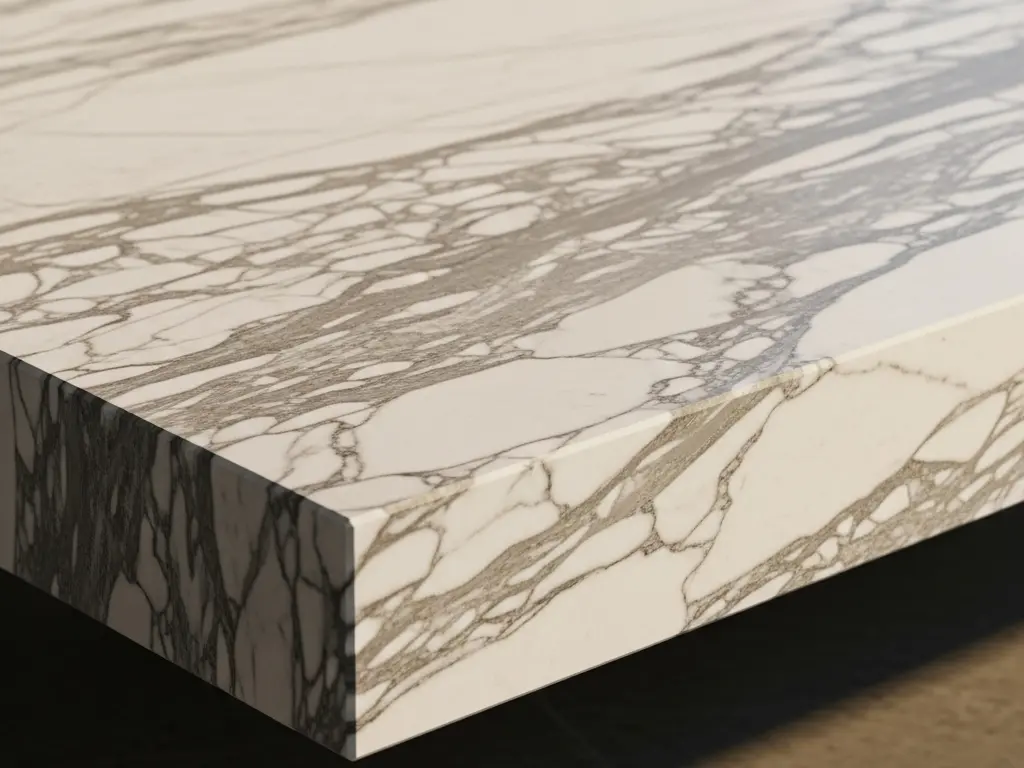
Available selections may include Bianco Carrara, Nero Marquina, and other decorative natural stones, subject to project requirements and material availability. Surface treatments and suitable impregnating sealers may be specified according to the stone type, desired appearance, and maintenance requirements. For stone-topped furniture, slab thickness, span, substrate support, fixing details, and handling loads should be considered together in the project specification.

Lost-Wax Cast Brass (Cire Perdue)

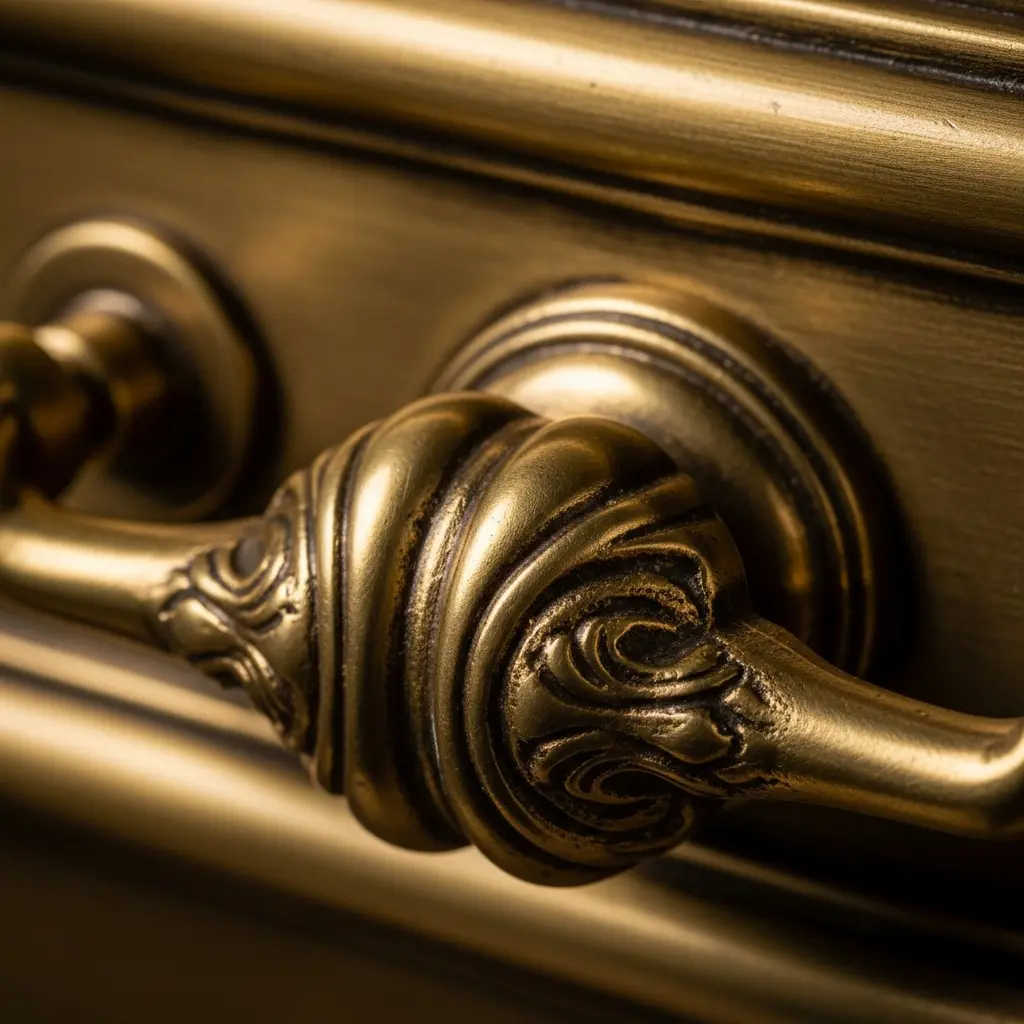
Where specified, lost-wax investment casting can produce brass furniture fittings with detailed relief and sculptural definition. Hardware material, dimensions, surface finish, and fixing methods are selected according to the furniture design and intended use. Available finish options may include an unlacquered patinated surface or a protective clear coating, subject to the selected hardware specification and maintenance requirements.

Natural marble surface detail showing polished crystalline veining and edge profile Natural Marble
Detailed architectural brass hardware mount showing dimensional high-relief Solid Cast Brass
Bespoke Protocol · Technical Boundaries

Customization Scope & Governance

Bespoke execution is governed by structural physics, proportion, and generational durability rather than passing trends. We establish clear engineering parameters within which design creativity can safely develop.

How material specifications and bespoke tolerances are verified across production stages:

View Standards for Tolerance & Control
01

Configurable Elements

Projects may specify timber species, wood stain tones, sheen levels, gilding materials, natural stone, hardware finishes, and COM/COL fabrics, subject to material availability and technical suitability. Dimensional adjustments are reviewed against design intent, structural requirements, and production feasibility, with relevant details documented in shop drawings to support visual balance and architectural coordination.

02

Structural Governance

Dimensions and proportions can be adapted to project requirements, subject to technical review. Core construction principles—including solid-wood carving where specified, joint design and differential wood movement, and deflection considerations—are evaluated against the intended use, material behavior, and structural requirements. Where a proposed design change affects these factors, the relevant details are reviewed and adjusted where technically feasible before production.

03

Feasibility & Engineering Review

Proposed bespoke modifications are reviewed for structural feasibility, material compatibility, manufacturing constraints, intended use, and maintenance requirements before production approval. Where a requested change introduces unacceptable technical or durability risks, our team may recommend an alternative solution, revise the proposed details where feasible, or decline the modification.

04

Lead Time & Submittal Milestones

Material selections, custom finishes, drawing approvals, and control sample sign-offs may affect procurement and production sequencing. Required submittals and approval milestones are agreed with the project team according to the scope of work. Potential schedule implications are reviewed and communicated before relevant changes are confirmed, supporting clearer coordination of delivery expectations for international projects.

Installation Protocols · Environmental Prerequisites

Site Conditions & Technical Prerequisites

Environmental conditions, material stability, and installation readiness are important considerations for bespoke furniture projects. Site requirements should be assessed against the specified materials, intended service environment, applicable project documents, and relevant architectural woodwork guidance before delivery and installation.

Environmental Prerequisites

  • Relative Humidity: Maintain indoor relative humidity within the range specified for the project, taking account of the applicable climate zone, material requirements, and anticipated seasonal conditions.
  • Temperature Control: Confirm that indoor temperature conditions are suitable for the specified furniture materials, finishes, storage, and installation procedures.
  • HVAC Readiness: Verify that permanent environmental controls are operational and that site conditions are sufficiently stable before delivery or installation, as required by the project specification.
  • Wet Trades Completion: Confirm that relevant wet trades are complete and the installation area is appropriately dry, clean, protected, and ready for furniture delivery.

Site Risk Factors

  • Localized Heat Exposure: Unassessed radiant heating, direct heat sources, or temperature gradients affecting solid-wood furniture and finishes.
  • Uncontrolled Site Climate: Storage or installation in environments with significant temperature or humidity fluctuations.
  • Temporary Heating & Ventilation: Temporary heating arrangements that may introduce excessive moisture, combustion by-products, or unsuitable environmental conditions.
  • Direct Sunlight & Airflow: Prolonged direct solar exposure or concentrated airflow that may affect sensitive veneers, decorative finishes, and dimensional stability.

Coordination Protocols

  • Environmental Information: Share relevant HVAC commissioning plans, environmental-control arrangements, and available site condition records.
  • Trade Coordination: Coordinate delivery access, lift dimensions, uncrating areas, and installation sequencing with the general contractor and relevant millwork teams.
  • Storage & Acclimation: Follow the approved handling, storage, packaging-removal, and acclimation instructions applicable to the specified furniture.
  • Site Readiness Confirmation: Review relevant site-condition information and outstanding installation prerequisites before dispatch or installation, according to the agreed project schedule.

Technical Coordination Note: Delivery and installation planning is coordinated with the agreed project scope and available site-readiness information. Where site conditions may adversely affect material stability, finish performance, or installation suitability, OE-FASHION will communicate the identified concerns and discuss appropriate corrective measures, revised timing, or alternative arrangements with the relevant project parties before proceeding, subject to the agreed contractual responsibilities.

Experience the Quality

Photographs cannot convey the tactile warmth of hand-polished wood or the cool weight of solid brass. We invite interior designers and estate managers to request our curated Material Sample Kit.

Curious how these materials are processed? Explore Our Creation Process

Scroll to Top