02 ARCHITECTURAL HERITAGE THE AGE OF REASON
The Return to Classical Order From Monumental Architecture to Furniture
Emerging in Europe during the mid-18th century, Neoclassicism developed alongside the Enlightenment and a renewed interest in ancient Greek and Roman art and architecture. Archaeological discoveries at Herculaneum and Pompeii helped bring classical antiquity into sharper focus, influencing a design movement that favored clarity, measured composition and architectural order.
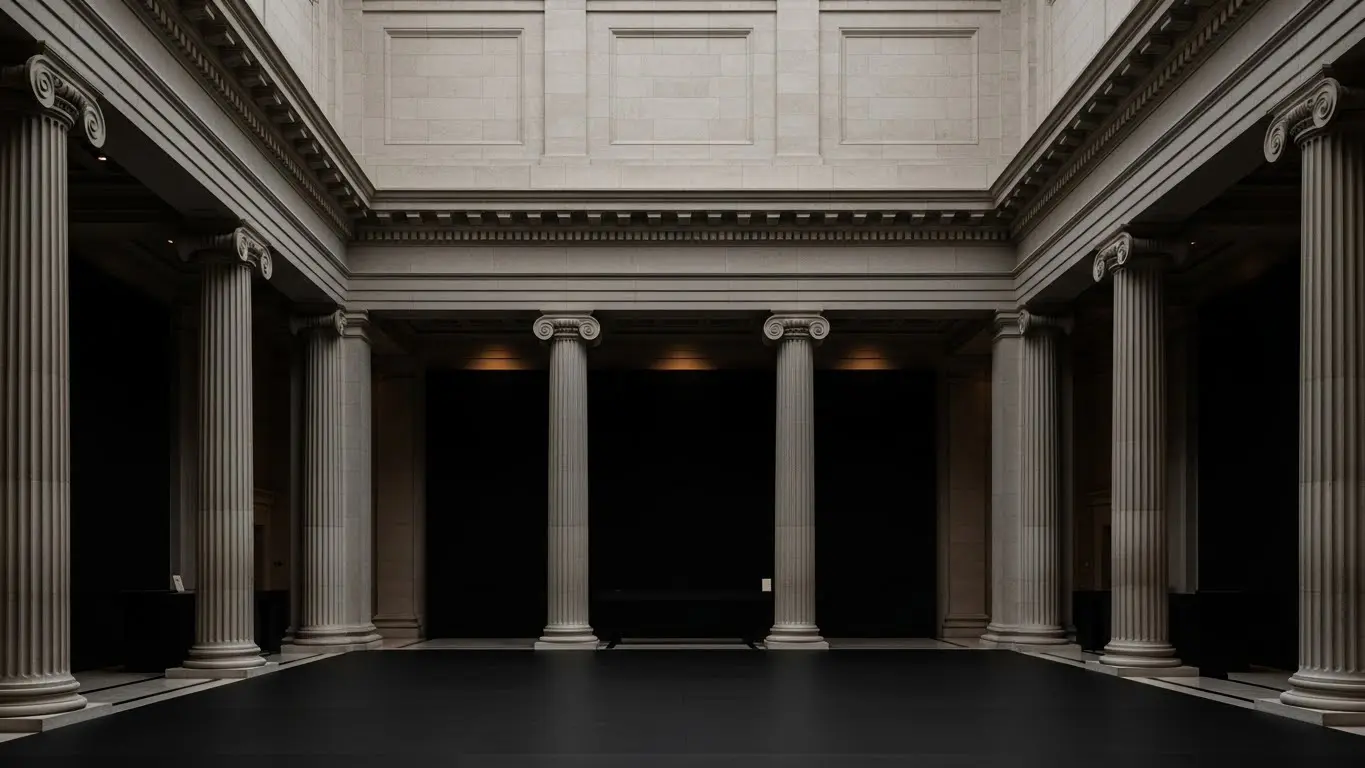
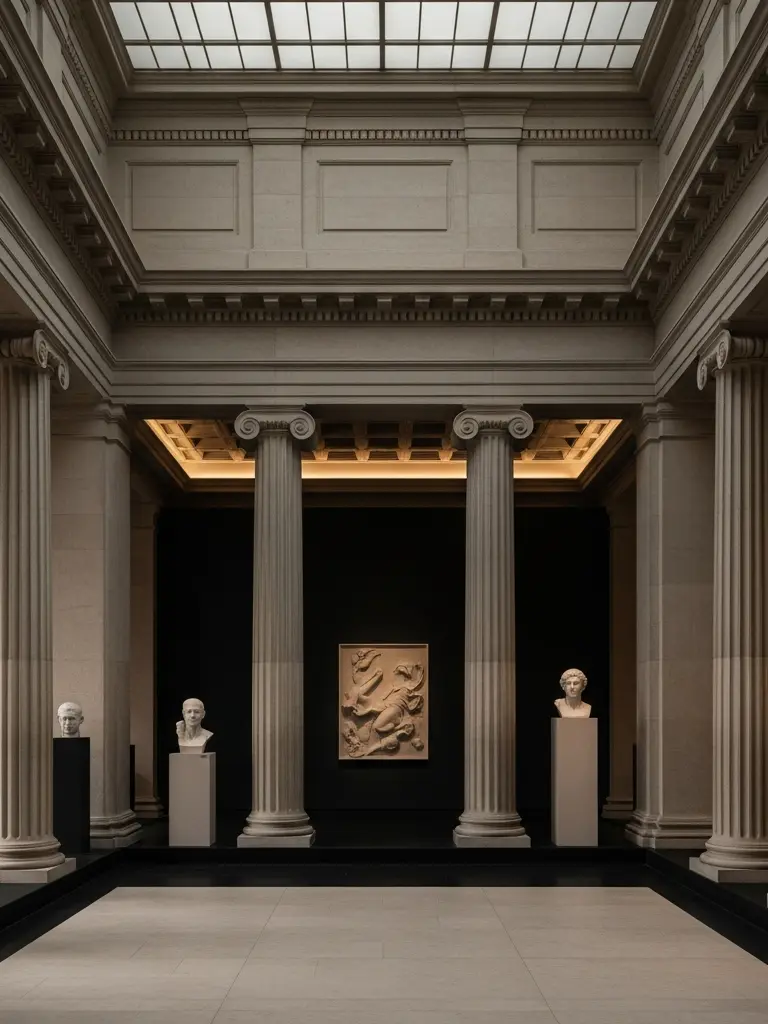
In contrast to the elaborate ornament and theatrical movement associated with much of the Baroque and Rococo, Neoclassical design often emphasizes axial balance, bilateral symmetry, restrained decoration and clearly defined architectural proportions. Its language is expressed through disciplined composition rather than ornament alone.
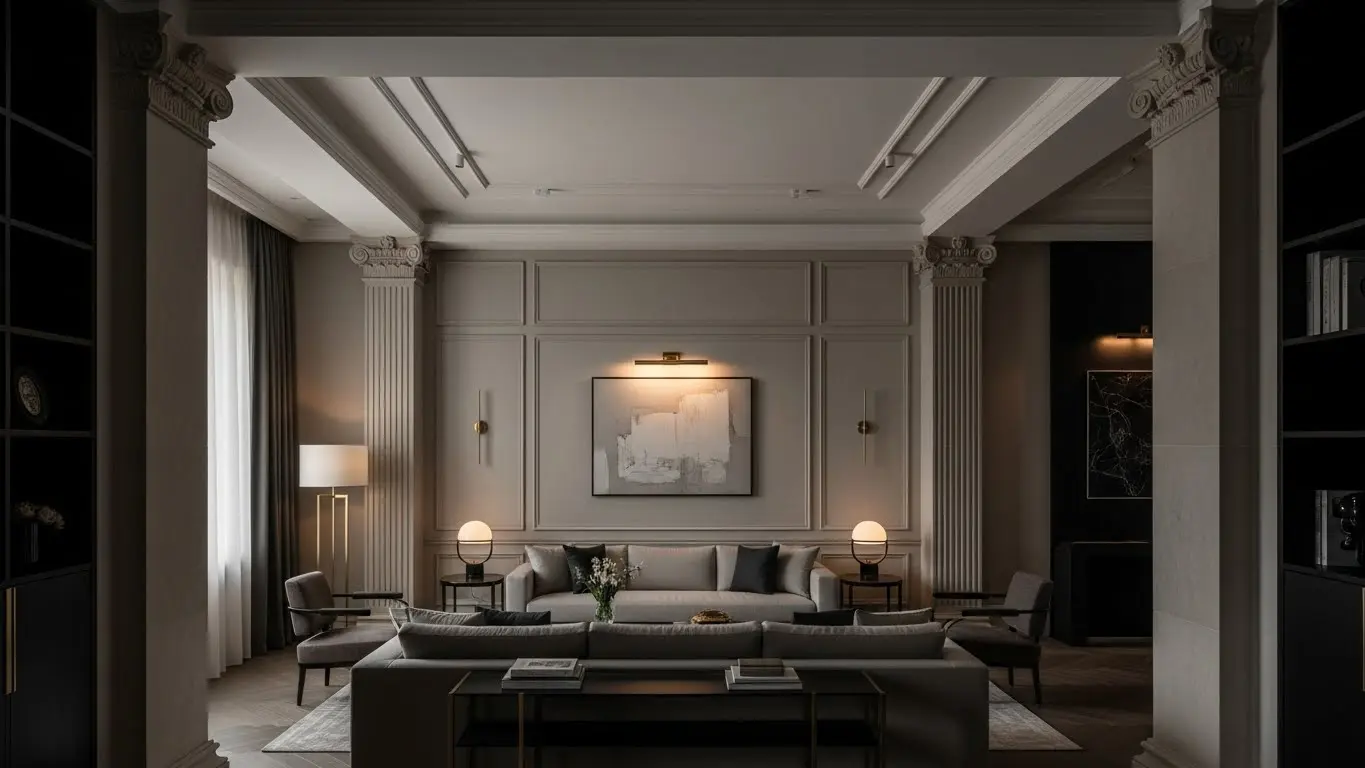
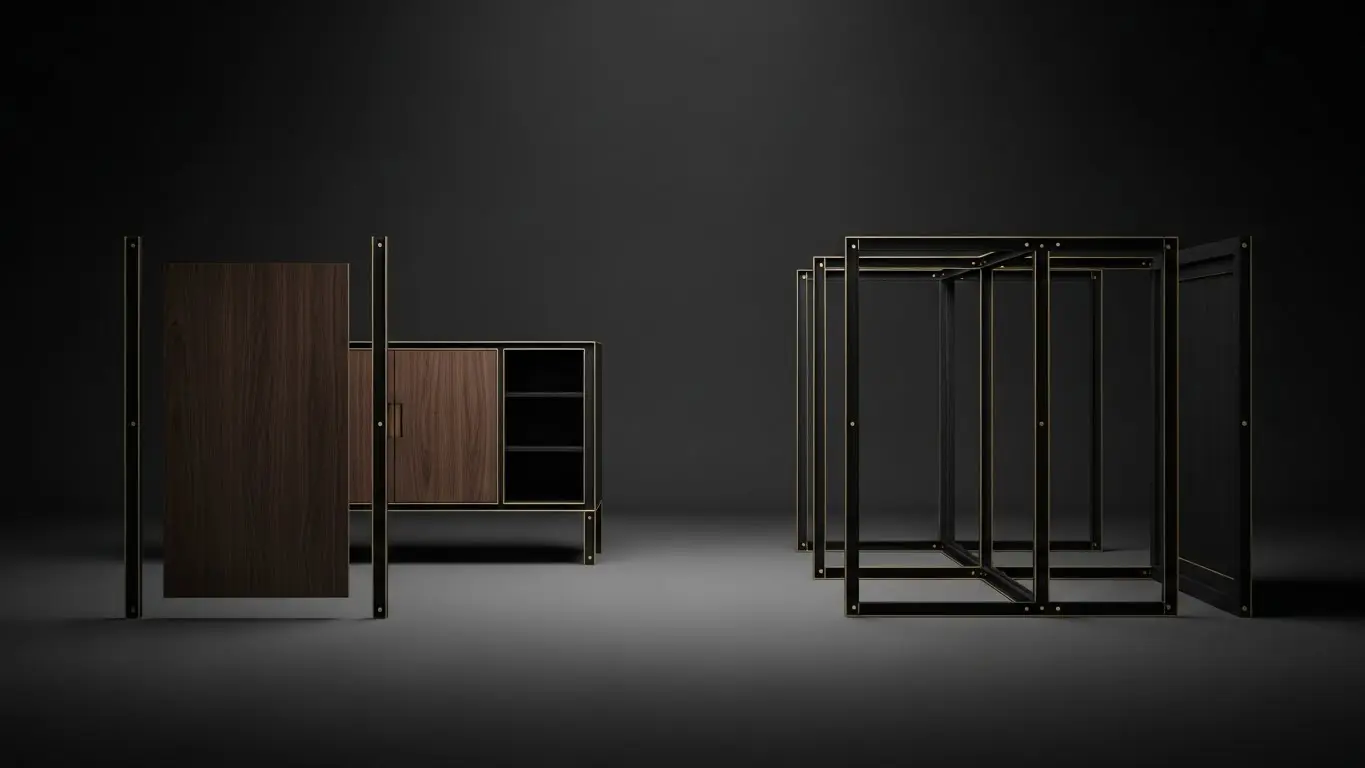
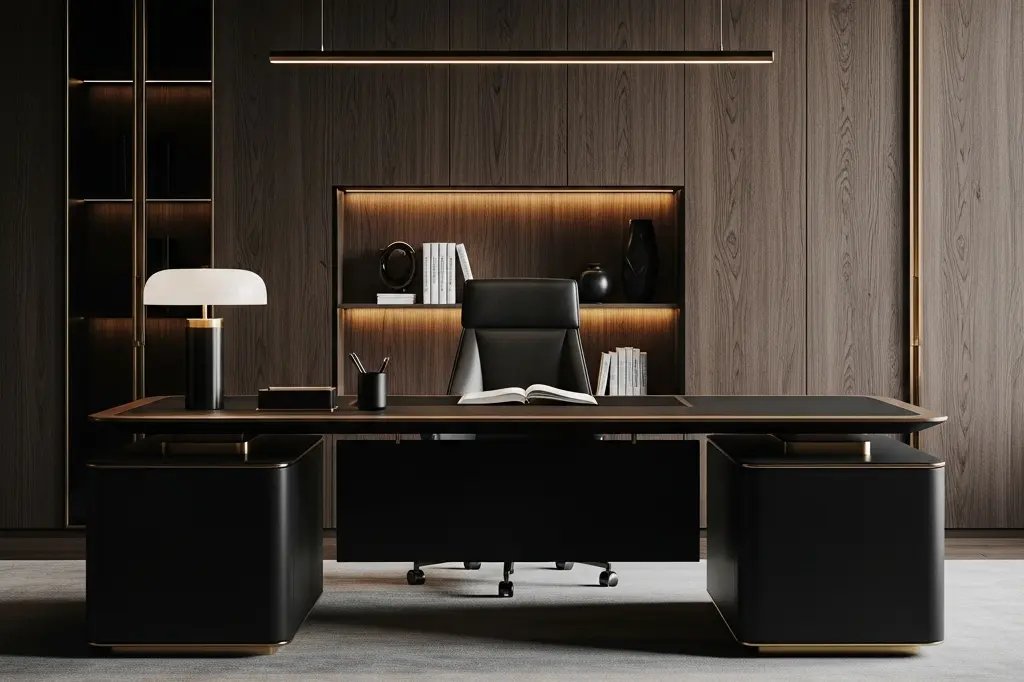
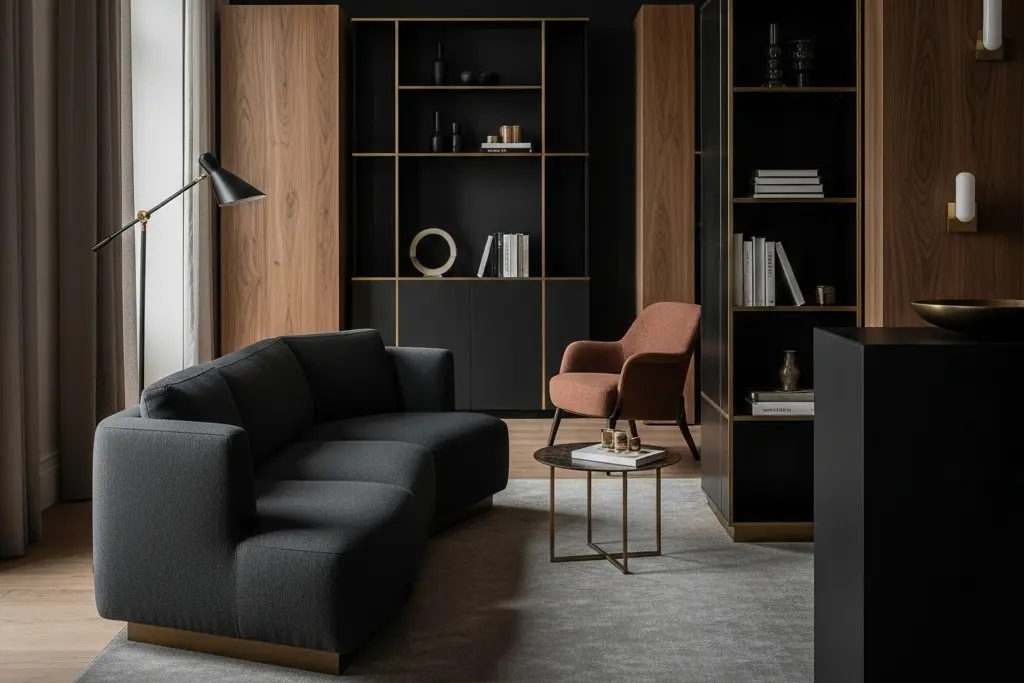
At OE-FASHION, this architectural heritage informs the interpretation of bespoke furniture. Classical proportions, pilaster profiles, mouldings and decorative details can be translated into furniture silhouettes, cabinet fronts and coordinated interior elements, with each design considered in relation to its intended architectural setting.
THREE PRINCIPLES OF THE NEOCLASSICAL LANGUAGE
Axial Balance & Bilateral Symmetry
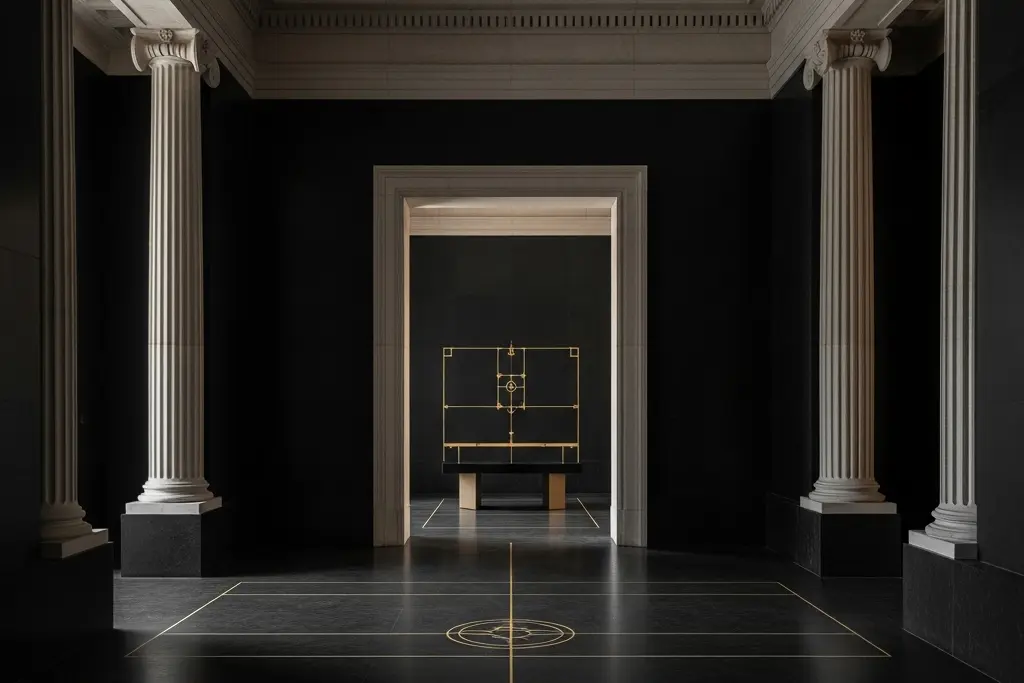
Balanced compositions organize visual weight around clear axes. In interior design, furniture placement and proportions can respond to room geometry, openings and architectural focal points.
Classical Orders & Architectural Profiles
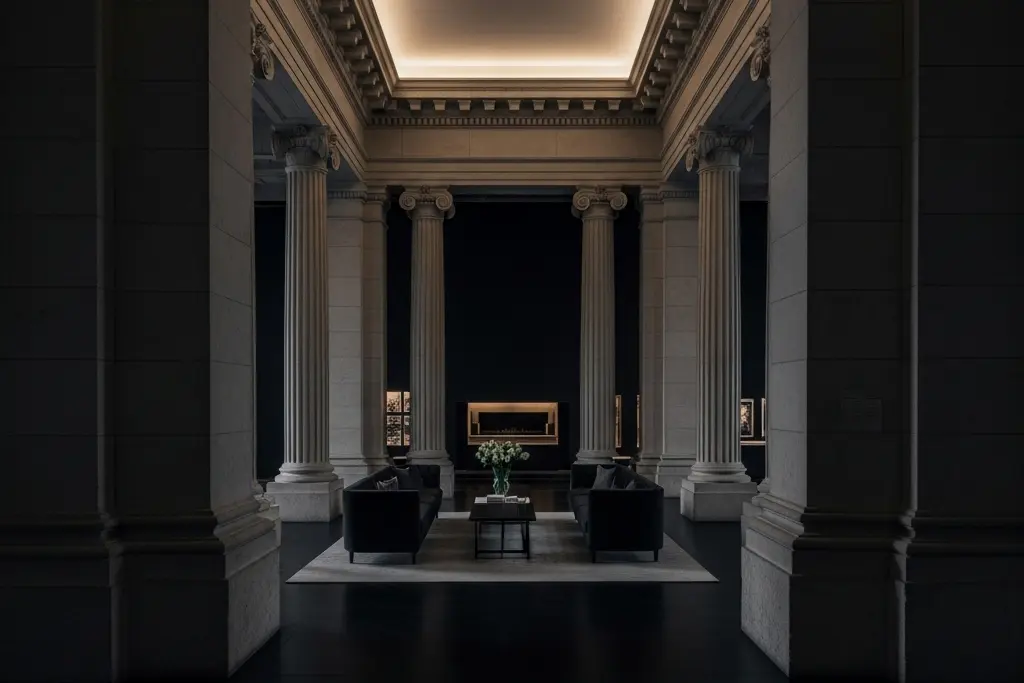
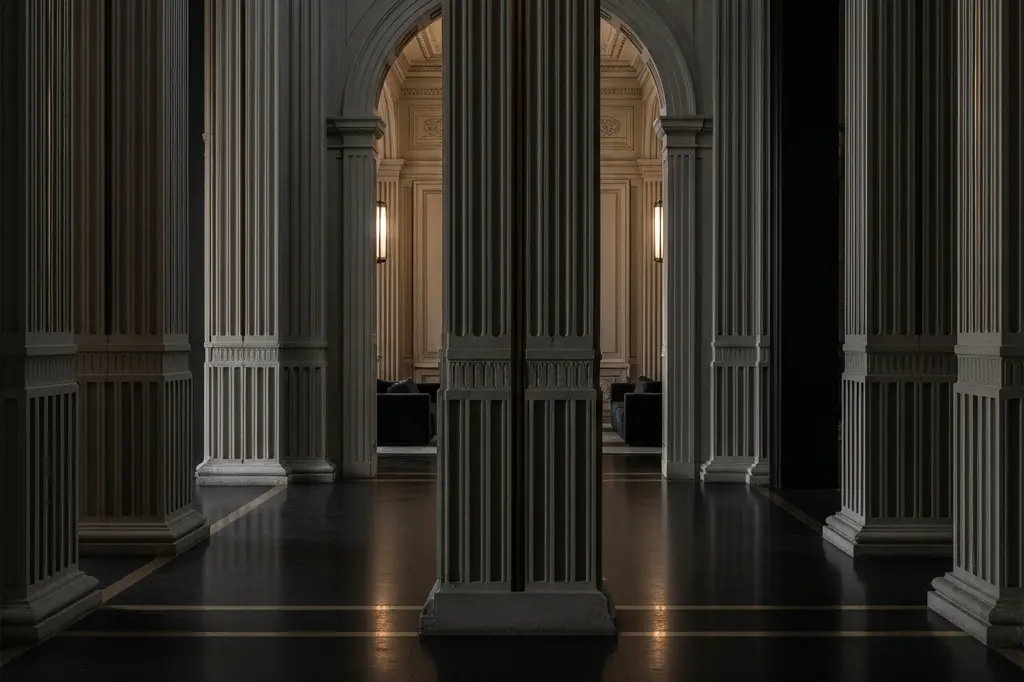
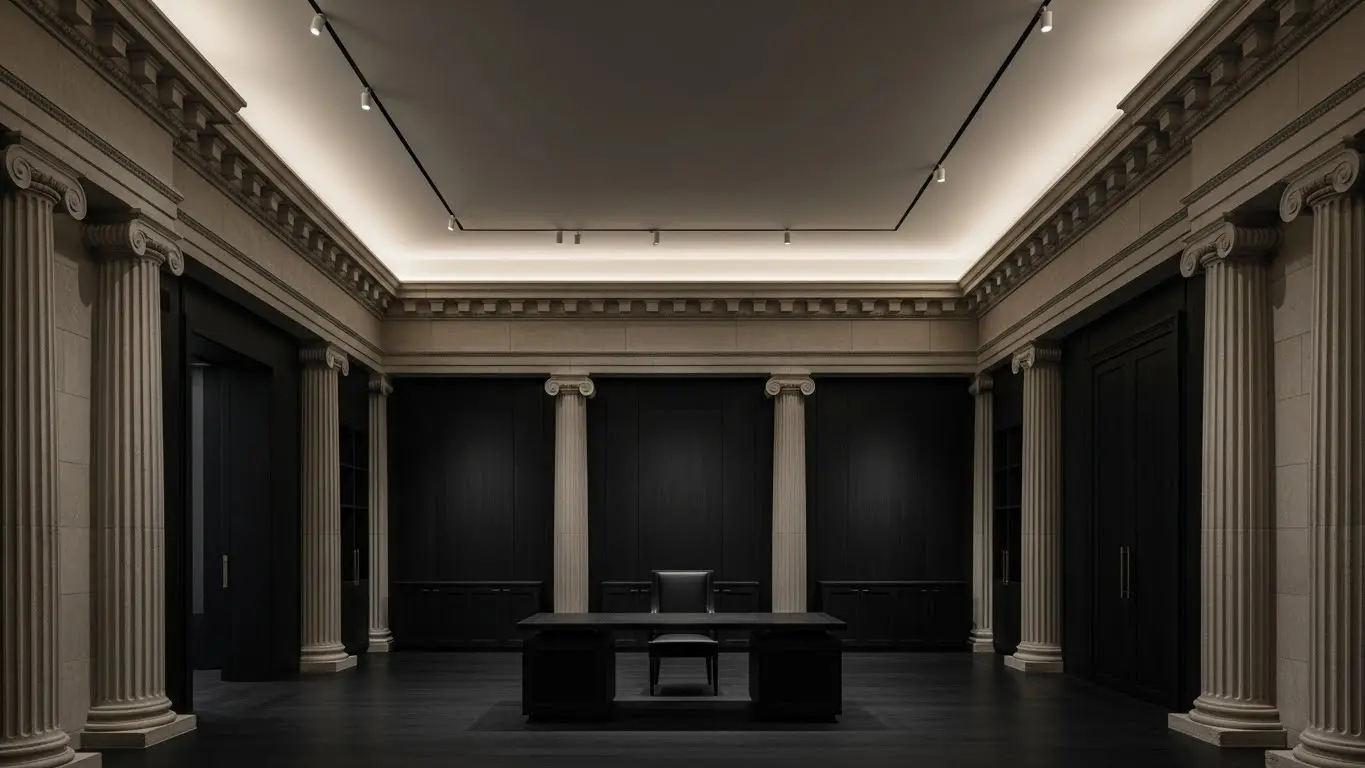
Doric, Ionic and Corinthian traditions provide distinct references for proportion, fluting, capitals and ornament. Their visual language can inform furniture profiles, mouldings and decorative detailing without treating architectural forms as literal furniture structures.
Material Hierarchy & Decorative Restraint
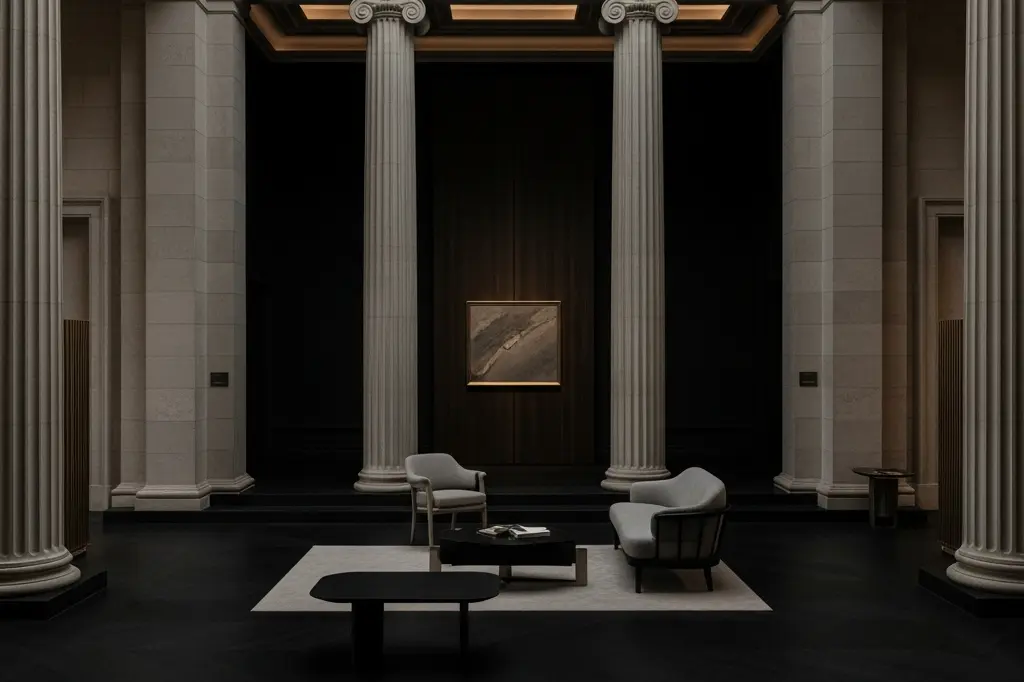
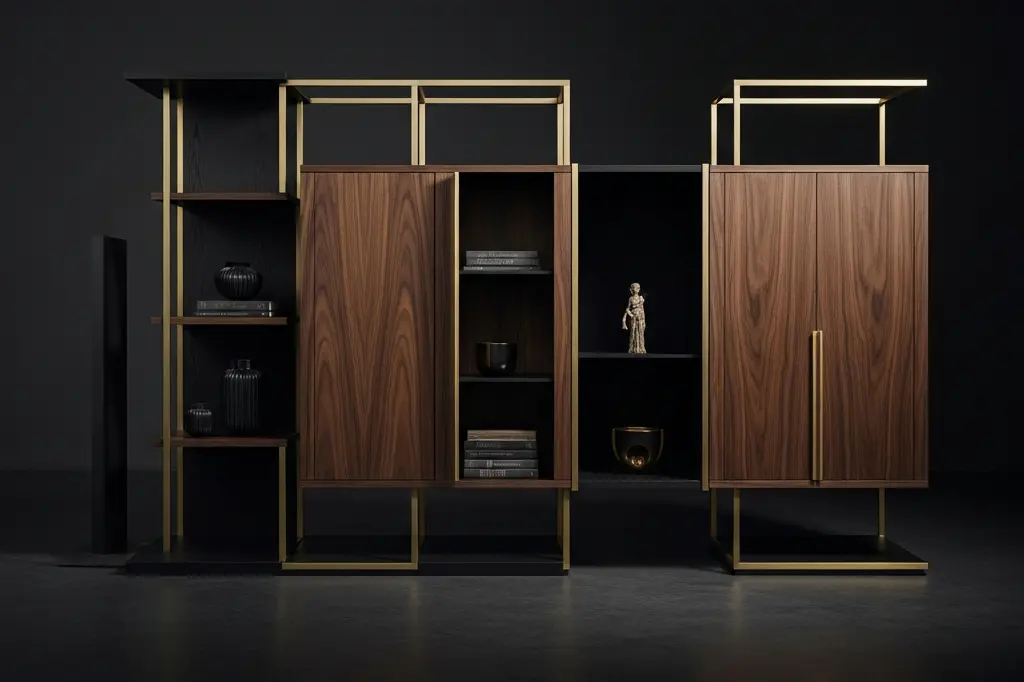
Timber, veneer, stone, metal details and surface finishes contribute to the visual hierarchy. Their selection and coordination should support the overall architectural palette rather than compete with its composition.
“Classical principles are not simply copied as decoration; they are interpreted through proportion, material and contemporary use.”