The Architectural Index Bespoke Project Guide

European Classical Furniture Styles

Explore four defining European classical furniture styles and understand how their proportions, ornamental language, materials, and architectural character inform bespoke furniture decisions. From Neoclassical restraint to Baroque grandeur, this guide connects historical design traditions with the practical considerations of custom furniture manufacturing for private residences, villas, and hospitality interiors.

Curated Collections · Architectural Foundations

The Four Pillars of European Classical Furniture

Architectural Scope & Spatial Suitability

Private Estates · Palace Residences · Luxury Hospitality · Architectural Residences · Heritage-Informed Interiors

Classical styles are not decorative themes applied at random. Each historical design language must be considered in relation to spatial volume, room proportions, ceiling clearance, architectural features, and furniture scale.

Our atelier considers spatial suitability, furniture proportions, and fabrication requirements before bespoke production begins.

Style × Space Compatibility Matrix

Classical styles are not interchangeable decorative layers. Each historical language responds differently to spatial volume, ceiling clearance, and sightline hierarchy.

Neoclassical

Symmetry & Order
  • Spatial Scale: Adaptable · Balanced proportions
  • Ceiling Considerations: Proportionate ceiling height and architectural rhythm
  • Ornament Density: Restrained · Geometric relief
  • Architectural Logic: Axial balance and pilaster alignment
  • Primary Application: Villas, formal living rooms, private libraries

Rococo

Fluid & Intimate
  • Spatial Scale: Intimate to medium-scale settings
  • Ceiling Considerations: Flexible height with suitable visual clearance
  • Ornament Density: High · Organic asymmetrical ornament
  • Architectural Logic: Curvilinear forms and balanced asymmetry
  • Primary Application: Private suites, salons, intimate reception rooms

Baroque

Monumental Presence
  • Spatial Scale: Large to monumental spaces
  • Ceiling Considerations: Generous vertical volume is often advantageous
  • Ornament Density: High · Deep sculptural relief
  • Architectural Logic: Monumental composition and dramatic focal points
  • Primary Application: Grand halls, formal salons, selected hospitality spaces

Empire

Imperial Theme
  • Spatial Scale: Medium to large formal spaces
  • Ceiling Considerations: Ceiling scale should support monumental furniture proportions
  • Ornament Density: Moderate · Classical motifs and gilt-bronze mounts
  • Architectural Logic: Formal symmetry and classical order
  • Primary Application: State rooms, executive salons, formal residences

Indicative Spatial Guidelines: These considerations are reference points, not fixed architectural requirements. Final furniture dimensions, proportions, profiles, and detailing should be evaluated against the specific room, interior elevations, and project requirements before production.

STYLE-LED PROJECT CONSIDERATIONS

Define Your Bespoke Direction

A classical style is more than a visual preference. It influences furniture proportions, ornamental detailing, material selection, fabrication considerations, and project review requirements.

Each style introduces different considerations for bespoke furniture development. The following guide highlights potential review points to help align the selected design language with furniture requirements, available interior information, and the intended project scope before fabrication planning is finalized.

Neoclassical Direction

Order · Proportion · Geometric Clarity

Project Characteristics

  • Architectural symmetry, rectilinear balance, and restrained classical detailing
  • Controlled ornament density guided by geometric proportion and visual hierarchy
  • Furniture forms and component details coordinated with the surrounding architectural language

Execution Considerations

  • Review key furniture dimensions and interfaces with the available interior drawings
  • Establish principal profiles, ornamental details, and alignment requirements during design development
  • Coordinate relevant component dimensions and approved specifications before fabrication

Rococo Direction

Balanced Asymmetry · Organic Flow · Sculptural Detail

Project Characteristics

  • Fluid rocaille, foliate, and scroll motifs expressed through an organic decorative language
  • Curvilinear furniture profiles, including cabriole legs and serpentine forms
  • Ornamental details balanced with the furniture's overall form and intended use

Execution Considerations

  • Assess how carving complexity may affect fabrication scope, detailing, and review requirements
  • Review ornamental profiles and visible details against the approved design direction
  • Coordinate gilding, patina, and other surface treatments with the selected finish specification

Baroque Direction

Monumental Presence · Theatrical Depth · Visual Authority

Project Characteristics

  • Large-scale furniture compositions designed to establish strong visual focal points
  • Deep sculptural relief, pronounced ornamental profiles, and layered decorative details
  • Rich surface articulation through selected gilding, patina, and other specified finishes

Execution Considerations

  • Review furniture-level structural considerations in relation to the proposed form and intended use
  • Assess component dimensions, assembly considerations, and overall furniture proportions where relevant
  • Consider transport dimensions, access clearances, and installation requirements for larger pieces

Empire Direction

Formal Symmetry · Classical Order · Monumental Form

Project Characteristics

  • Monumental rectilinear forms influenced by Greco-Roman architectural principles
  • Strong visual symmetry and carefully proportioned furniture compositions
  • Classical decorative motifs and metal mounts, including gilt-bronze detailing where specified

Execution Considerations

  • Confirm material selection, surface appearance, and grain direction where relevant to the approved design
  • Coordinate decorative metalwork dimensions, placement, and specified surface finishes
  • Review key material, dimensional, and detailing decisions before relevant fabrication stages

These considerations are indicative, not fixed technical specifications. Final furniture requirements depend on the approved design direction, available project information, intended use, material selections, and commission-specific requirements.

Classical Styles in Contemporary Contexts

Classical furniture need not remain confined to historical interiors or museum settings. In contemporary architectural projects, its design language can be thoughtfully translated — not merely replicated.

Our atelier translates classical design languages into bespoke furniture through careful consideration of furniture proportions, ornamental density, and material selection in relation to the intended interior.

  • Ornamental details are selected and proportioned to balance sculptural richness with architectural restraint
  • Furniture proportions are considered in relation to contemporary floor plans, sightlines, and intended use
  • Historical motifs are adapted through considered detailing, material selection, and coordinated furniture proportions
Design Advisory

When Classical Design Requires Restraint

When furniture scale, ornamental density, and visual weight are not considered in relation to the intended interior, classical detailing can compete with architectural features, interrupt visual balance, or feel disproportionate to the space.

Our role is not to impose a historical style, but to help assess when its proportions, ornamentation, or detailing may need refinement to suit the intended furniture application and interior.

  • Rococo Detailing

    Highly fluid and elaborate ornamentation may compete with the formal character of civic or corporate interiors unless its density, placement, and furniture scale are carefully moderated.

  • Baroque Compositions

    Monumental proportions and deep sculptural detailing require careful consideration of furniture dimensions, visual weight, and available room volume, particularly in compact interiors.

  • Empire Forms

    Strong rectilinear forms and ceremonial detailing may feel overly formal in relaxed family settings unless balanced through proportion, material selection, and furniture composition.

  • Excessive Ornamentation

    Unbalanced carving density and continuous surface decoration can compete with furniture proportions and surrounding architectural features, creating unnecessary visual complexity.

Strategic Curation

Style Selection by Project Typology

Beyond aesthetics, classical styles respond differently to spatial volume, circulation, and functional hierarchy. The following pairings offer initial design guidance based on project character, spatial conditions, and intended use.

Private Villas & Estates

Neoclassical / Selected Empire Influences

Neoclassical and selected Empire influences can support balanced residential interiors through considered furniture proportions, restrained detailing, and coordinated material selections.

Palatial & Formal Residences

Baroque / Empire

Baroque and Empire influences can establish a strong formal presence through monumental furniture proportions, sculptural detailing, and coordinated compositions in expansive reception interiors.

Boutique Hotels & Hospitality

Rococo / Curated Eclectic

Selective Rococo influences and curated classical combinations can introduce distinctive character through controlled ornamentation, considered furniture proportions, and coordinated finishes across guest rooms, suites, and reception spaces.

Heritage-Informed Interiors

Archival References / Context-Driven

Bespoke furniture developed in response to client-supplied historical references, approved design direction, and the architectural character of the property, where applicable.

* Final furniture specifications are developed in relation to the approved design direction, available interior elevations, spatial dimensions, and functional requirements of each project.

On Mixing & Transitioning Styles

Classical styles are not interchangeable decorative layers. In many residential projects, establishing a dominant design language helps maintain visual coherence across connected spaces. Secondary influences can then be introduced selectively through coordinated furniture proportions, compatible wood finishes, complementary hardware patinas, and controlled ornamental detailing.

Style decisions begin with furniture structure and proportion. Ornament follows architectural logic, not the reverse.

The Neoclassical Style

Order, Proportion & Rational Balance

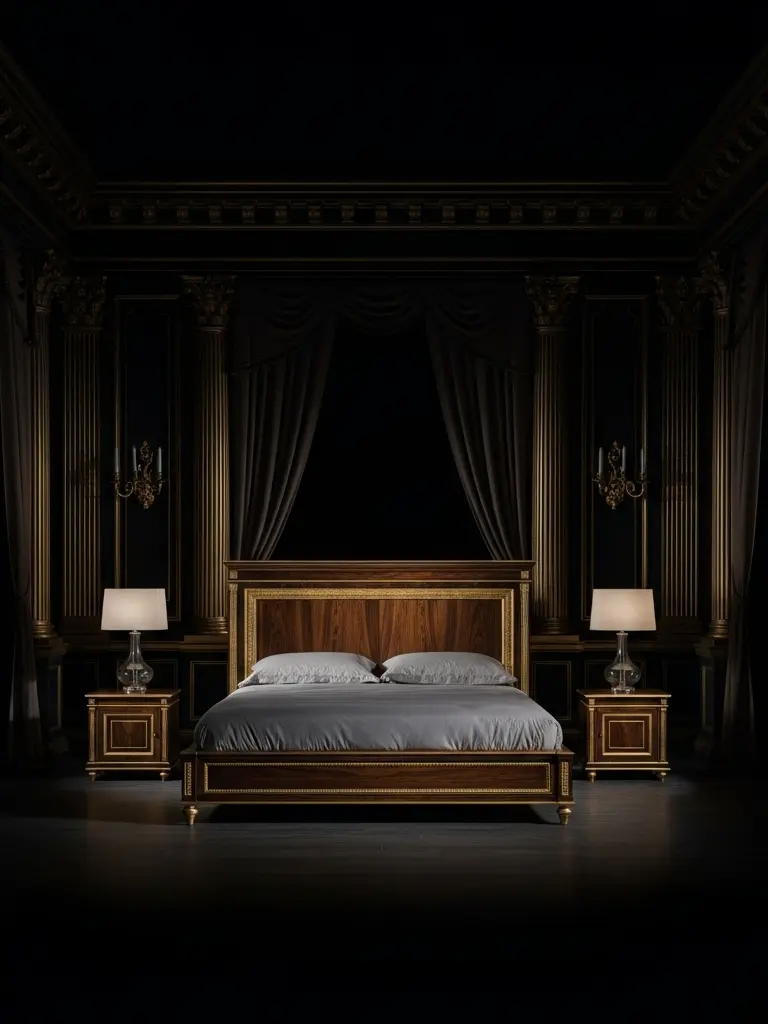
Emerging across Europe in the second half of the 18th century, Neoclassicism drew inspiration from ancient Greek and Roman art and architecture. Its design language emphasizes symmetry, balanced proportions, geometric clarity, and a more restrained approach to ornament. In classical interiors, furniture contributes to the overall architectural composition through its proportions, profiles, placement, and relationship with surrounding interior elements.

  • Motifs: Classical columns, fluted pilasters, acanthus leaves, and laurel wreaths.
  • Form: Measured symmetry, tapered legs, and balanced architectural proportions.
  • Mood: Intellectual, restrained, and enduring.
Classical salon interior setting showcasing architectural furniture proportions and symmetrical arrangement

The Rococo Style

The Poetry of Asymmetry · Louis XV Era

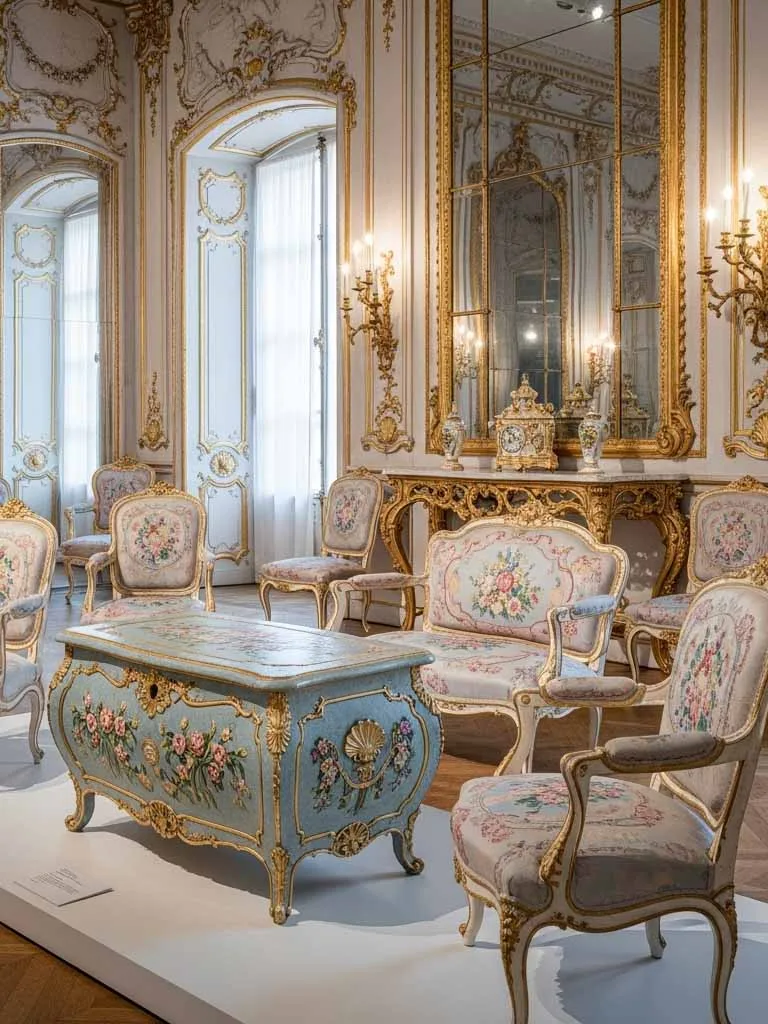
Emerging in early 18th-century France from the late Baroque decorative tradition, Rococo introduced a lighter and more fluid design language characterized by asymmetry, organic ornament, and graceful movement. Its furniture forms often feature flowing contours, serpentine fronts, curved cabriole legs, and asymmetrical ornamental compositions.

  • Motifs: Rocaille shells, asymmetrical scrollwork, and foliate ornament.
  • Form: Flowing, curvilinear profiles with S- and C-curves.
  • Mood: Intimate, graceful, and ornamentally expressive.
Hand-carved French Rococo furniture detail featuring shell rocaille and fluid acanthus leaf carving

The Baroque Style

The Theater of Grandeur · French Court Influence

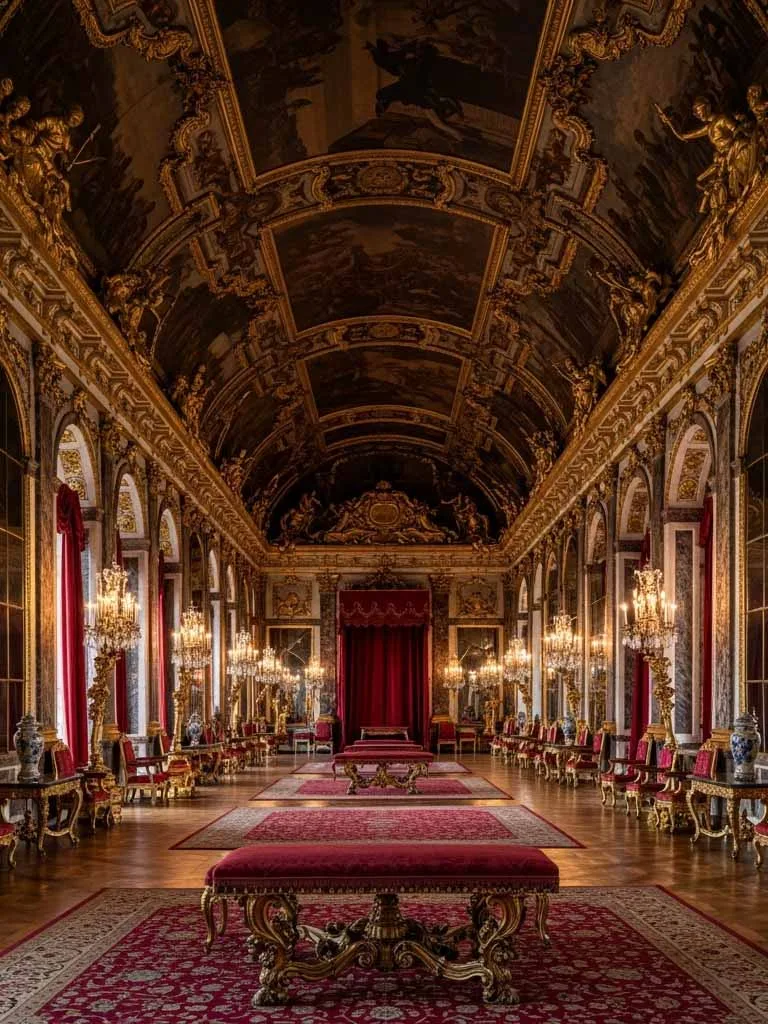
Baroque emerged in late 16th-century Italy and developed across Europe through the 17th century, becoming closely associated with dramatic composition, dynamic movement, sculptural ornament, and expressions of religious and courtly authority. In furniture and interior design, Baroque expression can be conveyed through bold sculptural forms, deep relief carving, dramatic contrasts, and, in selected examples, richly gilded finishes.

  • Motifs: Putti, scrolling cartouches, lion-paw motifs, and acanthus ornament.
  • Form: Monumental massing and dynamic, theatrical composition.
  • Mood: Authoritative, dramatic, and opulent.
European Baroque furniture piece featuring deep relief carving, bold sculptural massing, and gilded detailing

The Empire Style

Monumental Order & Classical Authority · French First Empire

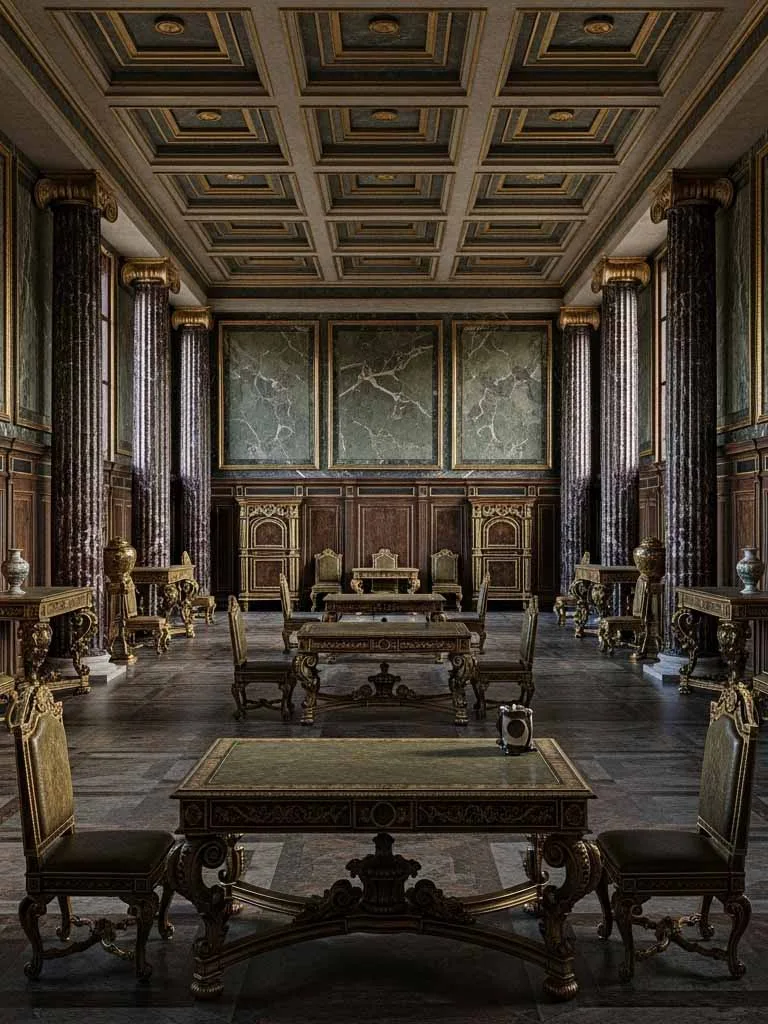
Developed in France during the early 19th century under Napoleon I, the Empire style drew heavily on ancient Roman and Egyptian visual references. Its furniture is characterized by monumental geometric forms, formal symmetry, classical motifs, and prominent decorative mounts. The Imperial Palace collection interprets this design language through monumental furniture forms, selected veneer compositions, and classical decorative detailing, subject to the approved design specification.

  • Motifs: Winged sphinxes, laurel wreaths, imperial eagles, and classical columns.
  • Form: Monumental rectilinear massing, pilasters, and block plinth supports.
  • Mood: Sovereign, disciplined, and enduring.
French Empire style furniture with architectural columns, monumental symmetry, and decorative mounts
The Translation Logic

From Style Reference to Bespoke Execution

At OE-FASHION, classical styles are not fixed templates but reference frameworks. Each commission begins by evaluating the chosen design language against project-specific considerations: furniture proportions, spatial volume, interior elevations, and material and finish selection.

The aim is not literal historical reproduction, but a considered bespoke interpretation aligned with the project's design intent and practical requirements.

Curatorial Inquiries & Bespoke Furniture FAQs

Practical considerations for classical furniture selection, reference-led commissions, materials, finishes, and project-specific manufacturing requirements.

Can I mix different classical styles in the same project?

Yes. Cohesive design across different classical periods can be developed through coordinated wood finish undertones, complementary hardware patinas, and disciplined furniture proportions. In many projects, one primary historical design language anchors the principal spaces, while secondary influences are introduced selectively across connected rooms and suites.

View our Project Portfolio for examples of classical furniture and coordinated interior settings.

Can you create custom furniture based on reference photographs?

Yes. OE-FASHION can use client-supplied reference photographs, historical imagery, or available drawings as the starting point for a bespoke furniture enquiry. We review visible design features, proportions, ornamental details, intended use, and project requirements to assess the proposed interpretation and manufacturing scope.

Reference images establish the design direction; final production details remain subject to technical review and approved specifications. Explore our Atelier Workflow .

What considerations guide fabric selection for French Empire pieces?

French Empire furniture is historically associated with structured silks, damasks, and velvets, often featuring rich tones and classical decorative motifs. Fabric selection for a bespoke commission should also reflect the intended furniture application, expected level of use, maintenance requirements, and visual coordination with specified wood finishes and metal decorative elements.

How are gold and metallic finishes specified for bespoke furniture?

Gold and metallic finishes are selected according to the approved design specification, desired appearance, furniture application, and project requirements. Depending on the commission, the specification may distinguish between genuine metal leaf, metallic-effect finishes, and protective surface treatments.

The selected finish system, specification, and approval requirements should be confirmed before production. Learn more about our Materials & Finishes .

Can furniture dimensions and profiles be adjusted for modern interiors?

Selected furniture dimensions and profiles can be reviewed for adaptation to contemporary interior proportions, including ceiling heights and available clearances. Any proposed adjustment is subject to the furniture design, furniture-level structural considerations, intended function, and approved project specifications.

Can materials and finishes be reviewed before production begins?

Material and finish requirements are evaluated during project specification. The proposed materials, colours, and finish direction should be agreed before production, with the available review or approval method confirmed for each commission.

Bring Your Furniture Vision into Bespoke Production

Your vision. Our engineering-led craftsmanship.

At OE-FASHION, we interpret classical design references through bespoke furniture manufacturing. From individual statement pieces to coordinated furniture schemes for villas, private estates, and hospitality interiors, each commission is considered in relation to the project's design intent, available interior drawings, furniture proportions, material specifications, and functional requirements.

Scroll to Top